

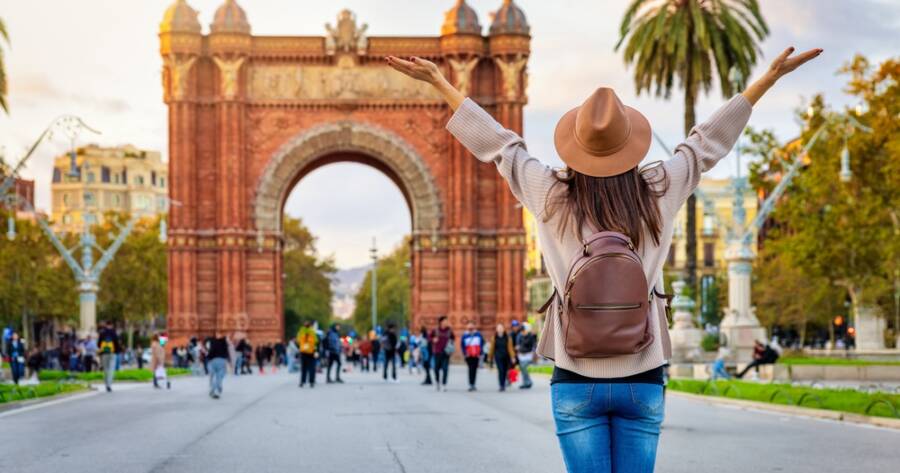
City breaks often center around famous capitals, but a quieter shift is changing how people travel. Instead of crowded landmarks and packed itineraries, more travelers are choosing destinations that offer similar culture, food, and atmosphere, just without the overwhelming pace. Often called the “second city” approach, it’s a style of travel that highlights places that feel just as rich and memorable, yet far more relaxed. The result is a more immersive experience that reveals a destination’s character in a way major capitals sometimes can’t.
Milan Instead of Rome
Rome draws millions with its ancient landmarks and iconic sites, but Milan offers a different kind of appeal rooted in design, fashion, and modern culture. The city blends historic architecture with contemporary energy, creating an environment that feels polished yet approachable. Landmarks like the Duomo still impress, but without the constant intensity found in Rome’s busiest areas.
Beyond sightseeing, Milan shines in everyday experiences. Cafés feel less rushed, neighborhoods are easier to navigate, and dining tends to be more relaxed. The city also serves as a gateway to Northern Italy, making it ideal for combining urban exploration with nearby lakes or countryside escapes. For travelers seeking culture without constant crowds, Milan delivers a refined alternative.
Osaka Instead of Tokyo
Tokyo is a global powerhouse, known for its scale and endless attractions. Osaka, on the other hand, offers a more approachable version of Japan’s urban experience while still delivering vibrant energy. The city is often considered the country’s food capital, with street food and casual dining playing a central role in daily life.
Exploring Osaka feels more intuitive, with compact districts and a welcoming atmosphere that encourages wandering. Areas like Dotonbori provide excitement without the overwhelming size of Tokyo’s busiest neighborhoods. The overall experience leans toward connection and enjoyment, making it easier to engage with local culture at a comfortable pace.
Barcelona Instead of Madrid
Madrid offers grand boulevards and world-class museums, but Barcelona adds a coastal dimension that changes the entire experience. The combination of beach access, striking architecture, and a laid-back rhythm creates a destination that feels both lively and relaxed.
Gaudí’s designs bring a unique artistic identity, while neighborhoods like El Born and Gràcia provide character and charm. Time can be split between cultural exploration and simple moments by the water, something Madrid can’t replicate. Barcelona’s balance of activity and ease makes it especially appealing for travelers looking to slow down without sacrificing variety.
Lyon Instead of Paris
Paris remains one of the most visited cities in the world, known for its landmarks and romantic appeal. Lyon offers a different perspective, focusing more on food, history, and authenticity. Often considered the gastronomic heart of France, the city is filled with traditional bouchons serving regional specialties.
Walking through Lyon feels more intimate, with less congestion and a stronger sense of local life. The old town’s narrow streets and hidden passageways add to its charm, creating a setting that feels both historic and accessible. For those interested in French culture beyond iconic sights, Lyon provides a rewarding and less hectic experience.
Porto Instead of Lisbon
Lisbon’s popularity has surged in recent years, bringing energy but also increasing crowds. Porto offers a quieter alternative while still delivering scenic beauty and cultural richness. The city’s hillside views, colorful buildings, and riverside setting create a visually striking yet relaxed atmosphere.
Life in Porto moves at a gentler pace, making it easier to enjoy long meals, local wine, and unhurried exploration. The historic center feels compact and walkable, allowing visitors to take in the surroundings without rushing. For travelers seeking Portugal’s charm without the intensity of its capital, Porto stands out as an inviting option.
Melbourne Instead of Sydney
Sydney’s iconic harbor and landmarks make it a must-see, but Melbourne offers a deeper dive into Australia’s cultural side. Known for its arts scene, coffee culture, and diverse neighborhoods, the city feels more lived-in and expressive.
Exploring Melbourne often involves discovering hidden laneways, local markets, and independent shops. The experience is less about ticking off major sights and more about soaking in the atmosphere. This makes it particularly appealing for travelers who enjoy blending into the rhythm of a place rather than simply passing through it.
Rethinking Where the Best Experiences Happen
Choosing a second city often leads to more meaningful travel moments. With fewer crowds and a more relaxed pace, it becomes easier to connect with the surroundings, people, and local traditions. Experiences feel less curated and more natural, creating memories that stand out in quieter ways.
Shifting focus away from capitals doesn’t mean missing out. It often means gaining a different perspective. Many of the world’s most rewarding destinations exist just beyond the spotlight, offering depth and character without the pressure of constant activity. Sometimes, the places that aren’t first on the list end up being the most memorable.