

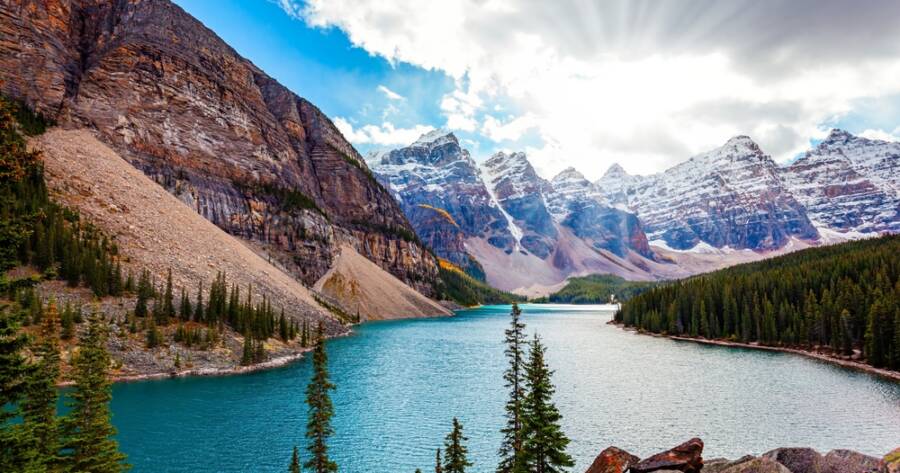
Towering mountain peaks, turquoise lakes, abundant wildlife, and charming small-town streets make Banff one of Canada’s most unforgettable destinations. Even a short visit offers countless opportunities to experience breathtaking scenery and outdoor adventure. With a thoughtful itinerary, three days provide enough time to enjoy iconic landmarks, incredible hikes, relaxing viewpoints, and excellent local dining without feeling rushed. Every stop offers another reason why Banff continues to top so many travel bucket lists.
| Day | Morning | Afternoon | Evening |
|---|---|---|---|
| Day 1 | Arrive in Banff & Explore Banff Avenue | Bow Falls & Surprise Corner | Dinner and Sunset at Vermilion Lakes |
| Day 2 | Moraine Lake or Lake Louise | Lake Agnes Tea House or Canoeing | Dinner in Downtown Banff |
| Day 3 | Banff Gondola & Sulphur Mountain | Cave and Basin or Johnston Canyon | Scenic Drive Before Departure |
Before You Go: Planning Your Banff Trip
Banff is beautiful year-round, but every season offers a different experience. Summer provides ideal hiking conditions and vibrant turquoise lakes, while autumn brings colorful forests and fewer crowds. Winter transforms the park into a snowy playground filled with skiing, snowshoeing, and frozen waterfalls. Spring can be quieter, although some higher-elevation attractions may still have lingering snow.
Booking accommodations and popular attractions well in advance is highly recommended, especially during peak travel months. Also, parking around popular lakes can fill before sunrise, so planning transportation ahead of time helps maximize your visit and reduces unnecessary stress.
Day One: Settle Into Banff’s Mountain Charm
Arriving in Banff is an experience in itself. As the mountains grow larger along the drive into town, it’s easy to understand why millions of visitors return year after year. After checking into your hotel, spend the morning walking Banff Avenue, where you’ll find local shops, outdoor outfitters, cafés, and mountain views around nearly every corner.
After lunch, visit nearby Bow Falls and continue to Surprise Corner for one of the area’s most photographed viewpoints overlooking the Fairmont Banff Springs Hotel. Both stops require very little walking while delivering spectacular scenery. They’re also an excellent introduction to Banff National Park before tackling longer excursions over the next two days.
Evening One: Sunset at Vermilion Lakes
Finish your first day with one of Banff’s most peaceful locations. Vermilion Lakes sits just a few minutes outside downtown and offers incredible reflections of Mount Rundle, especially during calm evenings. Walking along the shoreline or simply relaxing on one of the viewing platforms provides a slower pace after a day of sightseeing.
For dinner, head back into town where you’ll find everything from casual breweries and burger restaurants to upscale Canadian cuisine featuring Alberta beef, bison, and locally inspired dishes. Since tomorrow starts early, keeping the evening relaxed helps prepare for one of Banff’s biggest highlights.
Day Two: Visit Banff’s Most Famous Lakes
No first trip to Banff feels complete without visiting Lake Louise and Moraine Lake. Both are internationally recognized for their vivid blue water, dramatic mountain backdrops, and incredible hiking opportunities. Depending on the season, you’ll likely need to reserve a Parks Canada shuttle or use another approved transportation service since private vehicle access can be restricted.
If you’re visiting both lakes on the same day, arriving early helps avoid the busiest crowds. Spend time walking the shoreline, taking photographs, or simply enjoying the scenery before deciding whether to continue with a hike or rent a canoe.
Afternoon Two: Hiking or Relaxing by the Water
Visitors looking for adventure often choose the Lake Agnes Tea House hike from Lake Louise. The moderately challenging trail climbs through forests before reaching a historic tea house overlooking the mountains. The reward is as much about the scenery as the fresh tea and homemade snacks waiting at the top.
If hiking isn’t on your agenda, renting a canoe on Lake Louise offers another unforgettable perspective. Paddling across the calm turquoise water while surrounded by towering peaks creates one of Banff’s most iconic experiences. It’s peaceful, scenic, and perfect for first-time visitors wanting to slow down and enjoy the surroundings.
Evening Two: Enjoy Banff’s Food Scene
After a full day exploring the lakes, head back into Banff for a well-earned dinner. The town offers everything from casual pubs and pizza spots to upscale restaurants serving Alberta beef, fresh trout, elk, and other regional specialties. If you’re visiting during the warmer months, many restaurants also offer outdoor patios where you can continue enjoying the mountain views.
After dinner, take another stroll down Banff Avenue. The atmosphere changes in the evening as the crowds thin and the surrounding peaks begin to glow during sunset. It’s also a great time to browse local shops for souvenirs or simply enjoy the relaxed pace before your final day.
Day Three: Ride the Banff Gondola
Start your final day with one of Banff’s signature attractions. The Banff Gondola climbs Sulphur Mountain in just a few minutes, offering panoramic views of six mountain ranges, the Bow Valley, and the town below. Even before reaching the summit, the scenery makes the ride worthwhile.
At the top, explore the boardwalk leading to Sanson’s Peak, where several scenic viewpoints and interpretive displays explain the area’s history and wildlife. Visitors who enjoy photography will find countless opportunities throughout the summit, while those looking for a more leisurely visit can relax inside the observation building with a coffee while soaking in the views.
Afternoon Three: Choose One Last Adventure
Depending on your schedule and interests, spend your final afternoon exploring another side of Banff National Park. Two excellent options provide very different experiences.
The Cave and Basin National Historic Site tells the story of Canada’s first national park and features boardwalks, natural hot springs, and educational exhibits about Banff’s history. It’s an easy stop that combines beautiful scenery with fascinating local history.
If you’d rather spend more time outdoors, Johnston Canyon is one of the area’s most popular hikes. Well-maintained walkways follow the canyon past waterfalls, rushing streams, and dramatic rock walls before reaching the Upper Falls. The trail is suitable for most fitness levels and offers spectacular scenery throughout.
Budget Tips for First-Time Visitors
Banff has a reputation for being expensive, but thoughtful planning can help reduce costs while still enjoying many of the park’s biggest attractions.
- Visit during the shoulder seasons (late March to mid June and late September to November) for lower hotel rates and fewer crowds.
- Reserve Parks Canada shuttles early instead of relying on expensive parking.
- Purchase groceries for breakfast or picnic lunches.
- Carry a reusable water bottle since mountain drinking water is available throughout town.
- Book accommodations several months ahead, especially when visiting during the summer.
- Take advantage of Banff’s many free scenic viewpoints and walking trails.
- Combine nearby attractions to reduce driving and parking.
- Purchase a Parks Canada Discovery Pass if you’ll be visiting multiple national parks.
Helpful Tips Before You Arrive
A little preparation can make your visit much smoother, especially if it’s your first time exploring the Canadian Rockies. Mountain weather changes quickly, so packing layers is essential even during summer. Comfortable walking shoes, sunscreen, and a light rain jacket are worthwhile additions regardless of the season.
Wildlife sightings are one of Banff’s biggest attractions, but it’s important to admire animals from a safe distance. Elk, deer, mountain goats, bighorn sheep, and even bears regularly move through the park. Staying alert, following posted guidelines, and respecting wildlife helps protect both visitors and the animals that call Banff home.
Frequently Asked Questions
When is the best time to visit Banff?
Summer offers the warmest weather and full access to hiking trails and lakes, while fall provides beautiful colors and smaller crowds. Winter is ideal for skiing and snowy scenery, and spring offers a quieter experience as the park begins to thaw.
Is three days enough for Banff?
Three days allows enough time to experience many of Banff’s highlights, including downtown, Lake Louise, Moraine Lake, the Banff Gondola, and several scenic viewpoints. Visitors with more time can easily add nearby destinations like Yoho National Park or the Icefields Parkway.
Do I need a car?
A vehicle offers flexibility, but it’s not essential. Many popular attractions can be reached using Parks Canada shuttles, Roam Transit buses, organized tours, or seasonal transportation services.
Is Banff expensive?
Banff can be costly, particularly during peak summer months. Planning ahead, booking accommodations early, preparing some of your own meals, and taking advantage of free hiking trails and viewpoints can help manage costs.
Can beginners enjoy Banff?
Absolutely. Many of Banff’s most famous attractions require little or no hiking, and there are walking trails, scenic drives, viewpoints, and gondola rides suitable for nearly every fitness level.
Three Days You’ll Never Forget
Banff has a way of making even a short getaway feel unforgettable. Towering mountains, crystal-clear lakes, scenic drives, and welcoming mountain-town charm come together to create an experience unlike almost anywhere else. Whether you’re hiking to breathtaking viewpoints, enjoying a quiet paddle across Lake Louise, or simply watching the sunset over the Rockies, every day offers something memorable.
Three days provide just enough time to experience many of Banff’s iconic highlights while still leaving plenty of reasons to return. With a balanced itinerary and a little planning, a first visit can capture the very best of one of Canada’s most spectacular destinations, creating memories that last long after the journey home.