

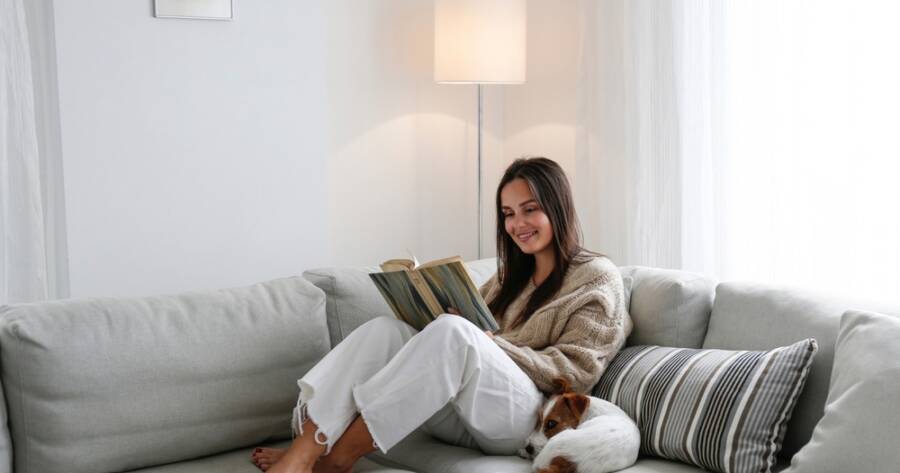
Home doesn’t need to be large or perfectly styled to feel calm and inviting. The way a space looks, feels, and functions can shift your mood more than expected. Small changes in lighting, texture, and layout can turn everyday surroundings into something more restful and intentional. Creating that kind of environment isn’t about spending more or starting over. It’s about making thoughtful adjustments that bring comfort, ease, and a sense of quiet retreat into your daily life.
Use Lighting to Set the Mood
Lighting has a powerful effect on how a space feels. Harsh overhead lights can make a room feel cold, while softer, layered lighting creates warmth and comfort. Combining floor lamps, table lamps, and natural light allows you to adjust the atmosphere throughout the day.
Candles or warm-toned bulbs can add an extra layer of softness, especially in the evening. Opening curtains during the day brings in natural light, making the space feel more open and calm. Paying attention to lighting helps create a rhythm between day and night, making your home feel more balanced and relaxing.
Add Cozy Textures and Soft Layers
Texture also plays a key role in making a space feel inviting. Soft blankets, plush rugs, and comfortable cushions can instantly change how a room feels. Even small additions, like a throw over a chair or a textured pillow, can add warmth.
Upgrading bedding can also make a noticeable difference. Crisp sheets, supportive pillows, and a comfortable duvet can turn your bedroom into a place that feels restful and calming. Layering different textures creates depth and comfort, making your home feel more like a place you want to spend time in.
Declutter and Create Open Space
Clutter can make even a well-designed space feel overwhelming. Removing unnecessary items creates visual clarity and allows the room to breathe. A clean, organized space naturally feels more peaceful and easier to enjoy.
This doesn’t have to require a full overhaul. Small habits like clearing surfaces, organizing frequently used items, and letting go of what you don’t need can make a big impact. Creating open space helps shift the focus from what’s around you to how the space feels, making it more calming overall.
Bring in Natural Elements and Greenery
Adding plants or natural elements can bring a sense of life into your home. Greenery softens a space and creates a connection to the outdoors, even when you’re inside. It doesn’t require a large collection—just a few well-placed plants can make a difference.
Natural materials like wood, stone, or woven textures can also enhance this effect. Even something as simple as fresh flowers or a bowl of fruit can add a subtle, organic touch. Bringing nature inside helps create a more grounded and refreshing environment.
Create Spaces for Relaxation and Unwinding
Designating a specific area for relaxation can make it easier to disconnect from daily stress. A comfortable chair, a soft blanket, or a quiet corner can become a place to read, rest, or simply pause.
The key is to keep this space simple and free from distractions. When a specific area is associated with calm activities, it becomes easier to shift into a more relaxed state. Over time, this creates a routine that supports rest without requiring much effort.
Pay Attention to Scent and Sound
Scent and sound can quietly shape how a space feels. A subtle fragrance from candles, essential oils, or fresh air can create a calming atmosphere. The goal is to keep it light and consistent, so it enhances the environment without overwhelming it.
Sound also plays a role. Soft music, ambient noise, or even silence can influence how relaxed you feel. Creating a gentle background sound or reducing unnecessary noise helps make your home feel more peaceful. Together, scent and sound add another layer to the overall experience.
When Your Space Starts to Feel Like a Retreat
A home that feels like a retreat isn’t defined by size or style. It’s shaped by how it supports your daily life and how it makes you feel when you walk in. Small, thoughtful changes can shift the atmosphere in a meaningful way without requiring major effort.
Over time, those adjustments begin to work together, creating a space that feels calm, comfortable, and intentional. The goal isn’t perfection, but a sense of ease. When your environment supports rest and clarity, it becomes easier to slow down and fully enjoy being there.