

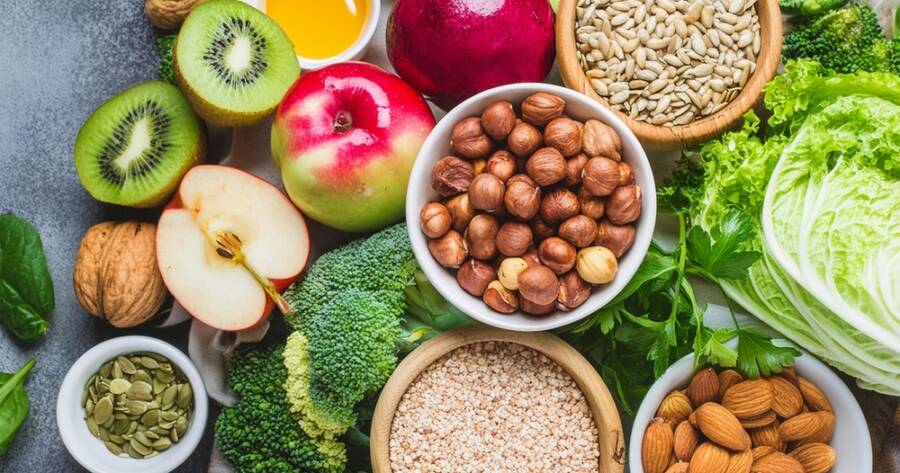
Most people fall well short of the recommended 25 to 38 grams of daily fiber, yet closing that gap doesn’t require a diet overhaul. Fiber supports healthy digestion, helps regulate blood sugar, lowers cholesterol, and keeps you feeling fuller for longer. The good news is that some of the tastiest, most convenient snacks happen to be fiber powerhouses. Adding in some intentional snacks throughout the day is one of the simplest upgrades you can make for your health.
Edamame
Edamame — steamed young soybeans — punches well above its weight nutritionally. A half-cup serving provides around 4 grams of fiber along with a solid hit of plant-based protein. You can buy them frozen, steam them in minutes, and eat them straight from the pod with a sprinkle of sea salt. They’re filling, portable once shelled, and satisfying in a way that most snacks aren’t. Edamame is particularly useful as a mid-afternoon snack when hunger tends to peak and willpower tends to dip.
Apples with Almond Butter
An apple on its own offers roughly 4 to 5 grams of fiber, mostly from pectin — a soluble fiber that slows digestion and feeds beneficial gut bacteria. Pairing it with a tablespoon or two of almond butter adds healthy fat and protein, turning a simple piece of fruit into a genuinely satisfying snack with staying power. The crunch factor is a bonus. Choose whole apples over applesauce or juice, since processing strips away much of the beneficial fiber content.
Hummus and Vegetables
Chickpeas, the base of hummus, are loaded with fiber — about 6 grams per half cup. A standard serving of store-bought hummus still delivers 2 to 3 grams, and when paired with raw vegetables like carrots, celery, bell peppers, or cucumber slices, the fiber total climbs quickly. This combination also provides a satisfying mix of textures and takes zero cooking. Keep a tub in the fridge and pre-cut vegetables in a container, and you have a ready-made snack that requires no decision-making when hunger strikes.
Chia Seed Pudding
Chia seeds are one of the densest sources of fiber available, offering about 10 grams per ounce. When soaked in milk or a dairy-free alternative overnight, they absorb liquid and expand into a thick, pudding-like texture. Two tablespoons of chia seeds mixed with a half cup of almond milk, a dash of vanilla, and a drizzle of honey — left in the fridge overnight — creates a snack that’s ready to grab in the morning. Top it with fresh berries for additional fiber and antioxidants.
Roasted Chickpeas
For those who want something crunchy and savory, roasted chickpeas are an excellent alternative to chips or crackers. A half-cup serving contains around 6 grams of fiber and enough protein to keep hunger at bay. Toss canned chickpeas with olive oil and your choice of seasoning — cumin, garlic powder, chili flakes — then roast at 400°F for 25 to 30 minutes until crispy. They can be made in large batches and stored in an airtight container for snacking throughout the week.
Pears
Pears are quietly one of the highest-fiber fruits available, with a medium pear delivering about 5.5 grams. They require no preparation, travel well, and have a natural sweetness that makes them feel indulgent without the sugar crash. Like apples, pears contain a significant amount of pectin, which supports gut health. Eating them with the skin on maximizes fiber intake, since much of the content is concentrated just beneath the surface.
Mixed Nuts and Dried Fruit
A well-composed trail mix delivers more fiber than most people expect. Almonds offer about 3.5 grams per ounce, while dried figs, apricots, and dates contribute additional soluble fiber along with natural sweetness. Building your own mix at home lets you control the sugar content — a common problem with store-bought versions that lean heavily on sweetened cranberries or chocolate chips. Aim for a ratio that’s mostly nuts and seeds, with dried fruit as an accent rather than the main event. A small handful is plenty and keeps well in a bag or desk drawer for easy access.
Whole Grain Crackers with Avocado
Whole grain crackers made with ingredients like rye, oats, or flaxseed can provide 3 to 5 grams of fiber per serving, depending on the brand. Topped with mashed avocado — which contributes another 3 grams of fiber per half fruit — they become a genuinely nutritious snack that also delivers heart-healthy monounsaturated fats. A squeeze of lemon, a pinch of flaky salt, and some red pepper flakes elevate the combination without adding much effort. It’s one of those snacks that feels more like a deliberate food choice than a compromise, which makes it easier to stick with long term.
A Few Simple Rules for Boosting Fiber Intake
Adding more fiber to your diet works best as a gradual shift rather than an overnight transformation. Increasing fiber too quickly can cause bloating and digestive discomfort, so introducing one or two new snacks at a time gives your gut a chance to adjust. Staying well hydrated is equally important, as fiber absorbs water and needs it to move efficiently through the digestive tract. With the right snacks stocked and a little consistency, hitting your daily fiber goals becomes far less of a challenge.